Assess
Map the actual process condition, constraints, and failure points.
Services
From chemistry and equipment support to automation, training, and resource control, we work across the plating process with a technical, system-level view.
How we work
We do not treat chemistry, equipment, people, and control as disconnected topics. The work is structured so each intervention supports the full line rather than solving one symptom in isolation.
Map the actual process condition, constraints, and failure points.
Define the technical approach, from chemistry to line logic and operating method.
Support rollout with coordination, training, and practical technical control.
Stabilise the result, reduce waste, and tighten repeatability over time.

01
Custom bath chemistry engineered for stable deposition and premium surface quality.
A line struggles with inconsistent appearance, unstable bath behaviour, substrate sensitivity, or a new finish target.
We formulate, tune, test, and adapt electrolyte systems around the actual process window rather than forcing production to compensate for weak chemistry.
Deliverables
Outcome
More predictable plating behaviour, fewer cosmetic rejects, and tighter repeatability between batches.
02
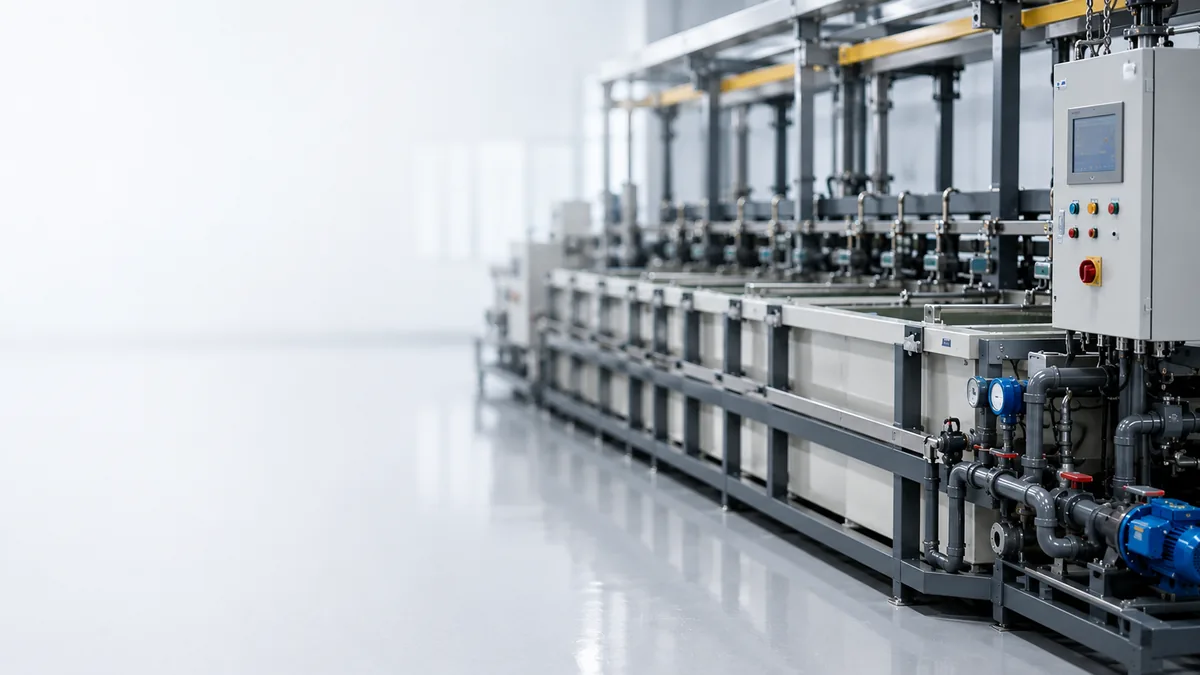
Technical support for plating equipment from concept definition to implementation.
A client is designing new equipment, upgrading an existing line, or needs process-aware input before committing to fabrication.
We bridge process reality and mechanical execution, helping define tank logic, flow, handling, and practical operating constraints early.
Deliverables
Outcome
Equipment decisions that support the chemistry and workflow instead of creating avoidable downstream limitations.

03
Structured coordination for complex technical initiatives with multiple moving parts.
Delivery depends on vendors, internal teams, technical sequencing, and process milestones staying aligned under time pressure.
We create structure around the project: scope discipline, decision cadence, coordination logic, and technical follow-through across stakeholders.
Deliverables
Outcome
Less ambiguity, fewer sequencing mistakes, and a higher probability of landing on-spec and on-time.
04
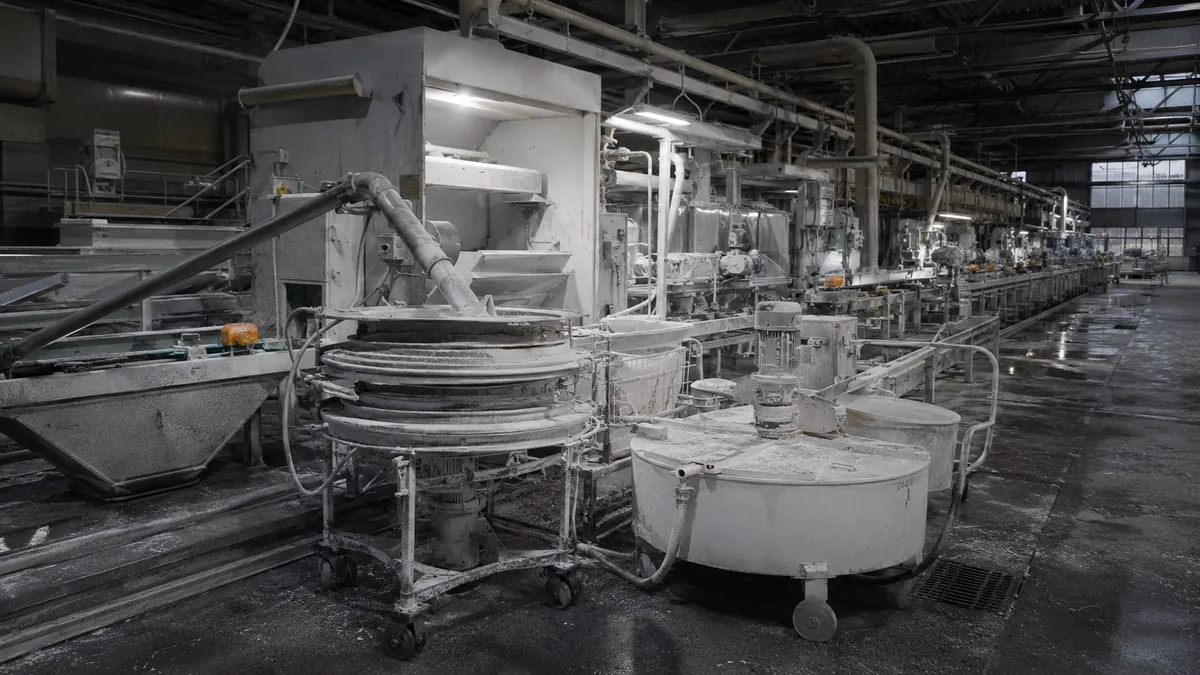
Training built around the actual line, operators, and control points that matter.
Operators are expected to run sensitive processes, diagnose issues, or maintain quality consistency without clear technical understanding.
We train teams on process logic, bath handling, operating discipline, and practical interpretation of what the line is telling them.
Deliverables
Outcome
Higher operator confidence, fewer avoidable mistakes, and better consistency shift to shift.
05
Operational optimisation around chemistry usage, waste, and process efficiency.
A process consumes too much chemistry, creates unnecessary waste, or carries hidden cost through weak control and loss.
We look at how chemistry is consumed, how material is lost, where controls are loose, and what can be tightened without compromising finish quality.
Deliverables
Outcome
Lower process waste, better material efficiency, and stronger control over recurring operational cost.
06
Automation logic that improves throughput without sacrificing process control.
Manual handling creates inconsistency, throughput needs to increase, or repeatability depends too heavily on individual operator behaviour.
We define where automation adds real value, how it should integrate with process timing, and what it must preserve from a quality standpoint.
Deliverables
Outcome
More repeatable execution, better throughput stability, and reduced process variability driven by manual intervention.
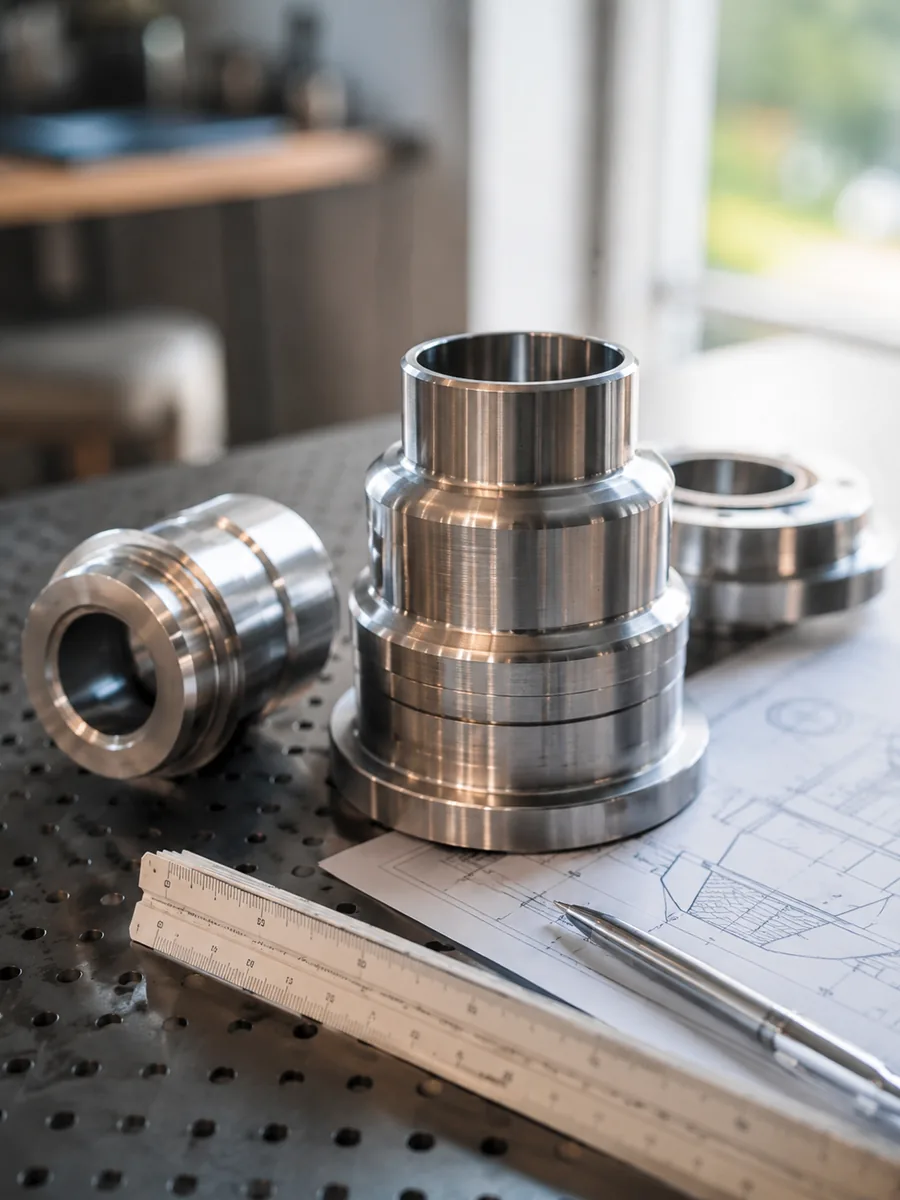
07
Cross-disciplinary engineering support for high-precision surface finishing systems.
A client needs mechanical, chemical, and process thinking combined rather than split across disconnected disciplines.
We work across the full system: process constraints, equipment logic, chemistry interaction, and implementation detail in demanding finishing environments.
Deliverables
Outcome
A more coherent technical system with fewer gaps between design intent and production reality.
System view
Most industrial issues do not belong to a single department. The strongest results come from combining the right services in the right order.
Electrolytes and machine decisions are treated as one system, so process chemistry is not forced into the wrong hardware constraints.
Operator discipline and resource optimisation move together. One without the other leaves process savings unstable.
Automation is introduced only where the engineering logic supports finish quality, repeatability, and maintainable process control.
Need focused support or full-line coverage?
Whether the issue starts in chemistry, equipment, throughput, or operator consistency, we can define the right entry point.